


The Climate Clock was launched in September 2020 in New York. The purpose of this project was to call attention to the urgency of addressing environmental pollution and the warming of our planet. The clock counts down the critical time window we have to reach zero carbon emissions – this is our “deadline” for taking action. The project also tracks progress on “lifelines” or key solutions that will improve our climate future.
According to climate scientists, we are at a turning point where we must take bold actions in order to limit the devastating climate impacts that we can already see today with extreme weather, deadly wildfires, polluted water and air, overfished oceans, and an increasing number of climate refugees (displaced from their homes due to inhospitable climate conditions).
The Clock’s Deadline says that we have less than eight years left in our global “carbon budget” – the time we have to avoid exceeding the critical threshold of 1.5°C of global warming. If our planet continues to warm at the current rate, in less than 10 years we will see many parts of the world become uninhabitable, an increase in deaths due to extreme conditions or lack of resources, and a declining quality of life for most of the world.
Taking Action Can Feel Overwhelming
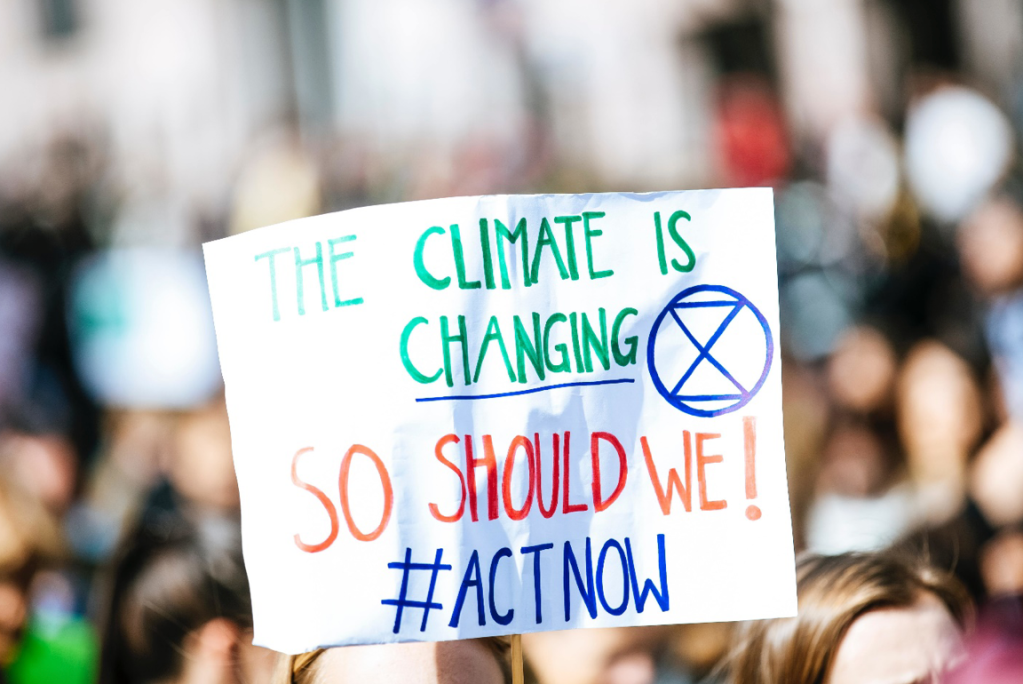
By now, we are all familiar with some of the steps that we can take individually to improve our environment and reduce our carbon footprint. We know that reducing our dependence on fossil fuels helps a lot. But how many people can afford to buy an electric vehicle? Even though the cost of electric cars has decreased significantly over the past few years, they are still expensive and there are still real barriers, such as a lack of charging stations available.
We also know that decreasing our consumption of meat makes a big difference because of the level of pollution created by factory farming. However, many people live in areas where affordable, healthy alternatives are not available. Fresh vegetables and fruits can be very expensive, especially in cities and urban areas. Fast food restaurants that only offer meat-heavy, processed foods, often high in fat, sugar, and unhealthy carbs are often the only options.
Many of the suggested climate actions are only realistic for people privileged enough to act on them. This can be discouraging for many people who want to do the right thing but feel like they can’t make a significant difference. That’s why real solutions have to be systemic and ambitious. Our governments must get serious about making bold and ambitious changes.
“You cannot get through a single day without having an impact on the world around you. What you do makes a difference, and you have to decide what kind of difference you want to make.”
– Jane Goodall
Climate Leaders and Losers

There are some countries that are leading on climate change. Denmark has some of the most ambitious goals and legislative changes. They passed the 2020 Climate Act into law, which set a target to reduce Denmark’s greenhouse gas emissions by 70% by 2030 and achieve climate neutrality by 2050. Sweden and Chile also have set similar goals.
As you might expect, the biggest polluters are the biggest countries: China, United States, India, Russia, Japan, Germany, Iran, South Korea, Saudi Arabia, and Indonesia. These countries are responsible for most of the pollution and should be doing the most to combat climate change. However, this is not the case. The U.S. did commit to some bold climate goals under the Paris Accords in 2015, under President Obama. However, Trump withdrew the U.S. from the agreement the following year. There is some hope now with President Biden that more action will be taken, but there must be a tidal wave of leadership change across the world in order to make enough of a difference.
Bottom Line: Vote!
Given the scale of the problem, the only effective solutions must be implemented systemically, across the planet. The U.S. is one of the biggest polluters and must provide leadership to the free world. What can we do as citizens? Our biggest power also happens to be one of our most important rights – voting. We must elect leaders who are willing to make the tough decisions and think long term. Most of our leaders are from the older generations. Many are beholden to the fossil fuel industry and their actions make it obvious that most are not prioritizing climate action or future generations. It’s up to us young folk. Let’s change the future by changing our leaders.
 Effects of Man Made Global Warming
Leave a comment